

Literacy takes a big step forward in regional Tasmania
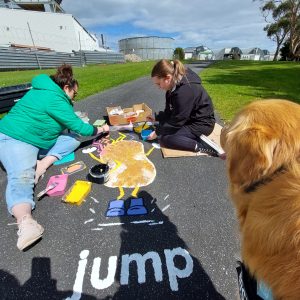
Circular Head, in Tasmania’s top northwest corner, has been talking the talk about literacy and numeracy for at least 25 years. And now visitors can actually walk the walk!
The Walking Words Literacy Trail is the latest initiative to be developed by a community committed to “creating a space where everyone who wants to learn, can”. This interactive walking trail pairs words with images and uses fun activities to both improve literacy and increase community awareness of the importance of literacy and numeracy.
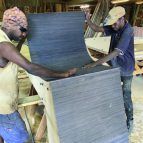
Around 8000 people live in the Circular Head area, which covers about 5000 km2 and includes the main town of Smithton and the well-known tourist town of Stanley. Several key Tasmanian industries operate in the area, including beef processor Greenham and building supplier Ta Ann. Both bring workers to the area from non-English speaking backgrounds, many of whom face challenges with literacy and numeracy.
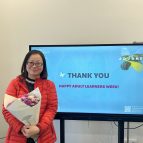
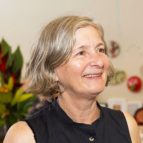
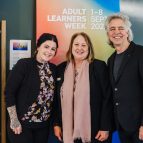
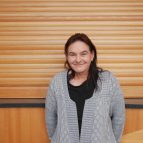
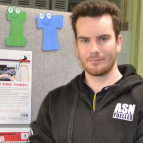
“We hear from a lot of employers who tell us that low literacy is having an impact on their employees’ abilities to do their jobs,” says Kate Grey, 26TEN community coordinator.
In 1999, the Circular Head Education and Training Consultative Committee (CHETCC) – an alliance of community, industry, and council – started working to promote lifelong learning. In 2019, this work led to the area becoming one of four Australian members of the UNESCO Global Network of Learning Cities (the others are Wyndham and Melton in Victoria and Canning in Western Australia).
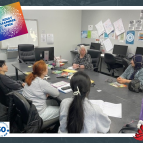
People within the Circular Head community can now take part in a range of learning programs to suit their interests and needs – for work, for school, to make social connections, or just for fun.
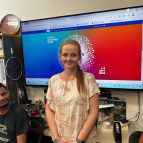
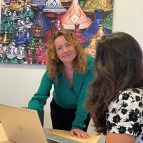
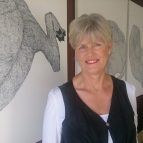
In her role, Kate has guided the Literacy Trail to life and recently oversaw the launch of a new Literacy Action Plan, which strongly encourages people to consider learning regardless of their circumstances.
“It doesn’t matter if you missed a lot of school or went to university, there’s always something new to learn if you’re willing to give it a go. You don’t have to love reading or be a maths wiz, there will be different ways to get involved and places to learn,” she said.
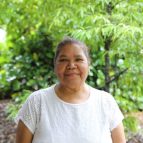
Kate moved to Circular Head 16 years ago after studying community development and is now using the extensive networks she built to link people into literacy and numeracy programs.
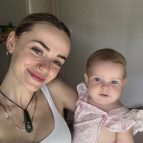
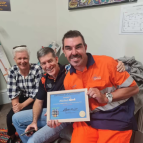
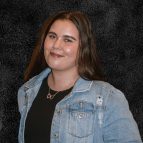
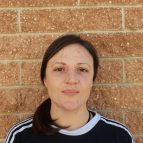
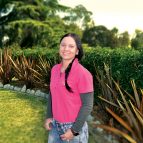
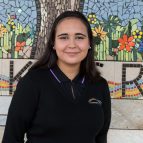
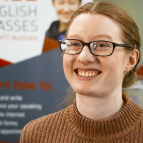
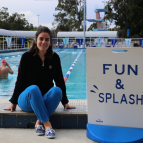
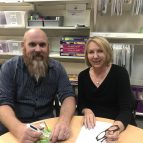
A community connection brought a young learner to Kate who was struggling with a lack of literacy skills. Kate connected Jenna Eastwood into literacy and numeracy programs run by Libraries Tasmania’s Adult Literacy Service and is thrilled by how well she has moved through these programs and built a new level of confidence.
For Jenna, it’s the one-on-one contact that makes adult learning so different to her schooling, where she struggled as a “very, very afraid child” to put her hand up and get the help she needed.
“Everyone here is so lovely and always happy to have a chat and really get to know you, as well as help you to learn,” she said.
Starting with learning how to improve her reading and writing skills, Jenna then moved on to numeracy and is now planning to learn sign language. “I have excelled a lot quicker than everyone expected me too,” Jenna said.
“Stories like Jenna’s and the impact of lifelong learning are what makes my job pretty special,” Kate said. Kate says she meets people of all ages and stages of life who need support to improve their literacy skills.
“We are also seeing that the COVID period is having an ongoing impact on young people who missed out on developing some of the basic skills during that period. This is now having an impact on being able to get into training or gain certificates to be able to enter the workforce.”
Kate is about to start a project with local rural health services to run literacy awareness sessions, with a focus on health literacy. “Not having health literacy skills can have life-changing impacts so we’ll be talking about what is needed to address adult literacy and what they can do as health providers.”
Over the next 18 months, Kate will continue to oversee the development of the Walking Words Literacy trail – which is now attracting visitors from around Tasmania, interstate and overseas.
Produced in conjunction with local artist, Hannah Bruce, the trail is located along the local scenic river trail, which includes running behind the McCain Foods factory. McCains main ingredient, potatoes, provided the inspiration for the initial stage of the trail – a variation of the “Simon Says” game called “Spud Says”. Some 17 spud-based characters encourage people of all ages to read through different, fun activities.
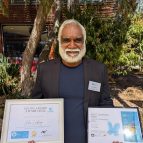
Other stages include I Spy and Find the Bone sections alongside a large dog park. Massive paw prints call people to count as they move along. Several stages are still to come including sections based around colour and Auslan. An Indigenous languages section, being designed in collaboration with the local Aboriginal Corporation, will feature local animals and their Indigenous names.
As Kate says: “You’re never too old or too young to learn. We can learn by ourselves, with someone to lend a hand, or in small groups. We can all learn for life!”