


1978

Australia urged to take up the recommendations from the UNESCO 1976 Nairobi report on a global approach for promoting and developing adult education. National conference on the provision of Adult Education in Australia.
Australia urged to take up the recommendations from the UNESCO 1976 Nairobi report on a global approach for promoting and developing adult education. National conference on the provision of Adult Education in Australia.
The Australian Council for Adult Literacy began operating as an independent entity. Change in AAAE publications policy, with more emphasis on journal articles.
Kangan Report, TAFE in Australia published. Joan Allsop anticipates that ‘Educational Resources Centres will be essential for all its citizens, not just as community centres … but as places of social and civic learning for all ages and at all times’.
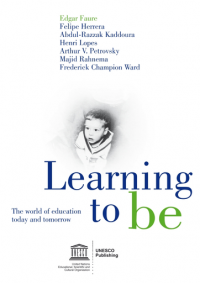
Publication of UNESCO Faure Report ‘Learning to be’.
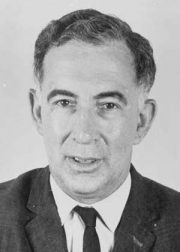
Professor Zelman Cowen new Association President; Joan Allsop appointed Assistant Journal Editor with John Shaw.
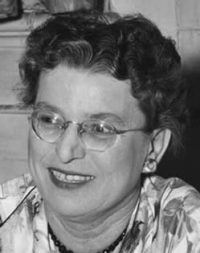
John Shaw, University of NSW, becomes AJAE Editor, later, separately and together over 11 years, with Joan Allsop.

The AAAE was involved in organising the UNESCO Asian-South Pacific seminar that led ‘to the founding of the Asian-South Pacific Bureau of Adult Education’ (ASPBAE).
First editorial in the Australian Journal of Adult Education by Arnold Hely ‘Television and adult education in Australia’.
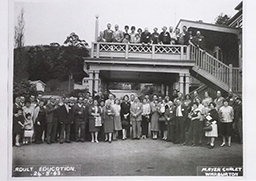
The AAAE published the first issue of the Australian Journal of Adult Education. The AAAE’s first conference: Adult education: The nation’s responsibility.
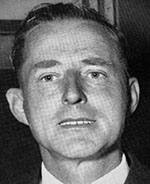
The Australian Association of Adult Education (AAAE) was formally established in 1960 in Hobart. Arnold Hely played a key role in establishing the AAAE as a national voice for adult education and was also a founder of Asian South Pacific Bureau Adult Education (ASPBAE).
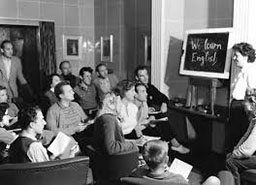
Adult education continued in Australia at a state level through the WEA (Workers Education Association) in NSW & SA, Universities in Sydney, Perth, Armidale & Adelaide; State Boards in Queensland & Tasmania and CAE in Vic.
Victorian Council of Adult Education (now Centre for Adult Education) was established. Adult Education Board in Tasmania was created.
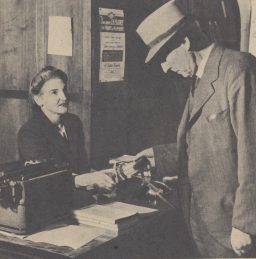
The first Board of Adult Education was established in QLD to organise, supervise and direct’ adult education in Queensland. The Act to set up the Council of Adult Education in Victoria was passed by the Cain Government.
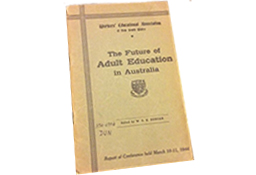
The 1944 Duncan Report proposed a national system of adult education for post World War II Australia, however, implementation required a level of federal–state cooperation that Chifley thought too difficult to achieve.
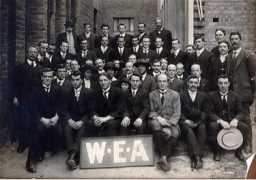
The Workers’ Educational Associations arrived in Australia in 1913 (two exist today in Sydney and SA). WEA Sydney was established jointly by the trade union movement and the University of Sydney to enable working people to gain a liberal education.